
Optimal Conditions for Asphalt Sealing
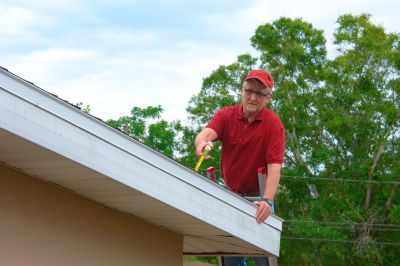
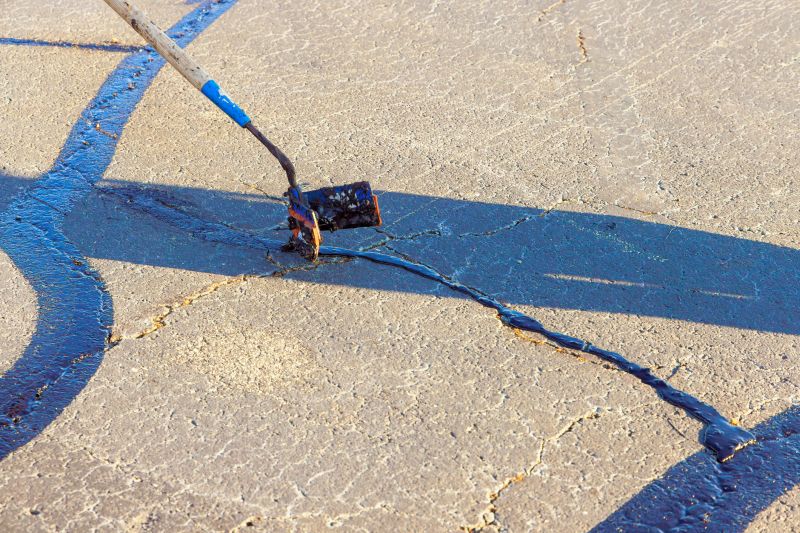
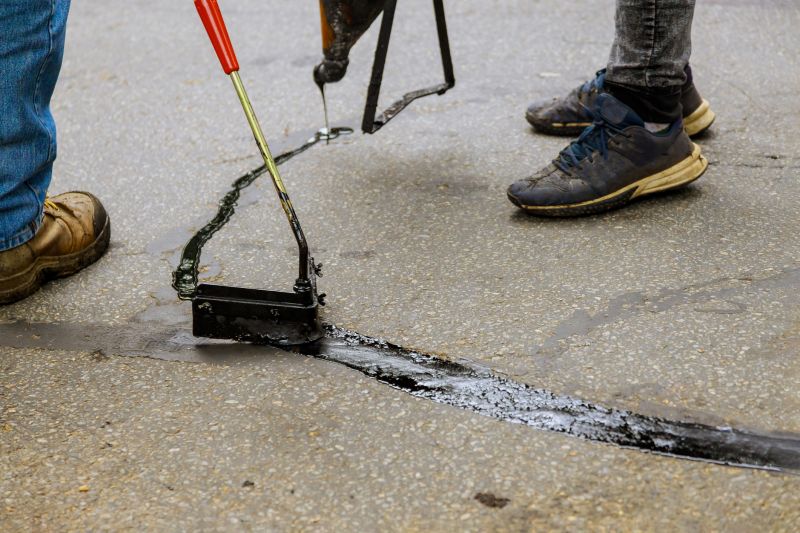
Images of asphalt surfaces being sealed, showing different weather conditions and seasons.
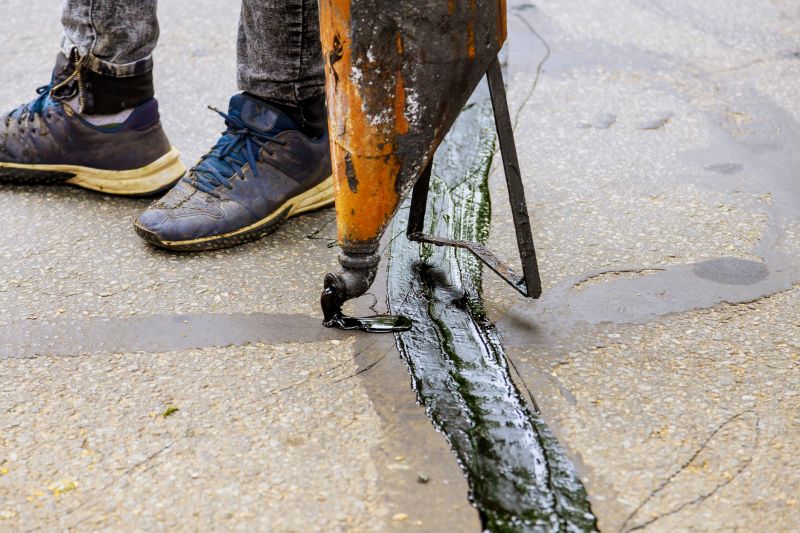
Spring offers moderate temperatures ideal for asphalt sealing, ensuring proper curing.
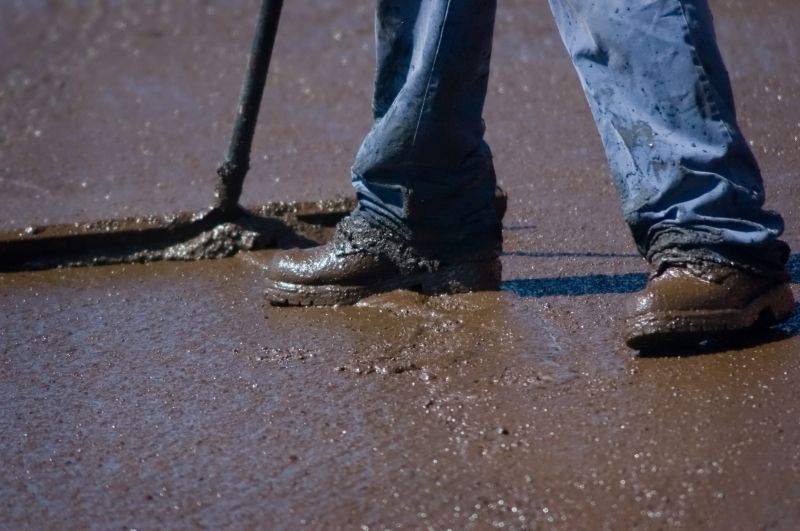
Early summer provides warm, dry conditions, but excessive heat can affect application quality.
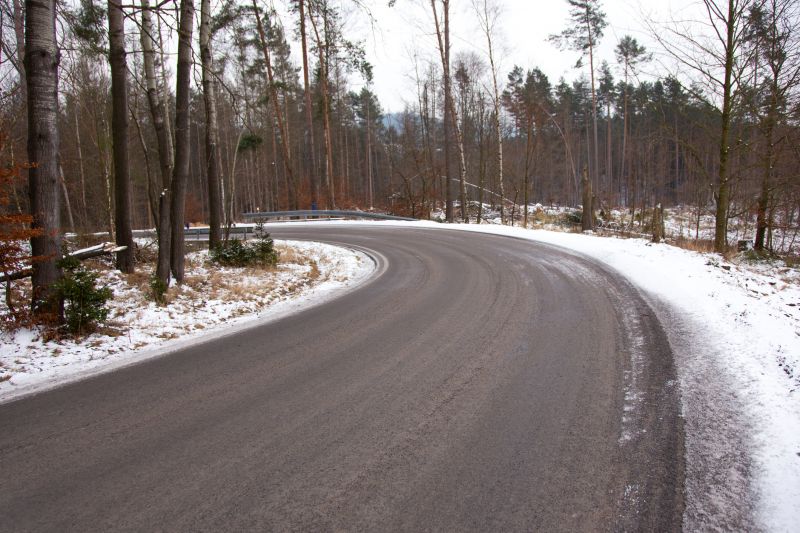
Fall temperatures are suitable, with cooler weather reducing the risk of rapid drying.
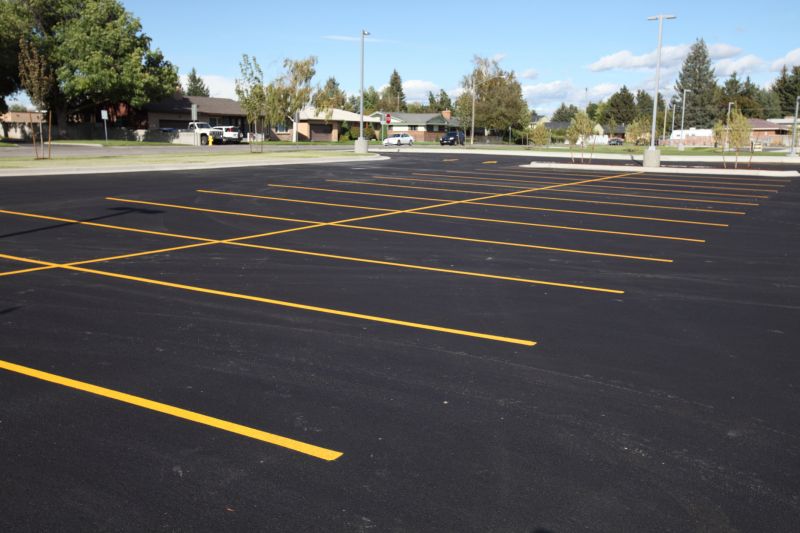
Ways to make Asphalt Sealings work in tight or awkward layouts.
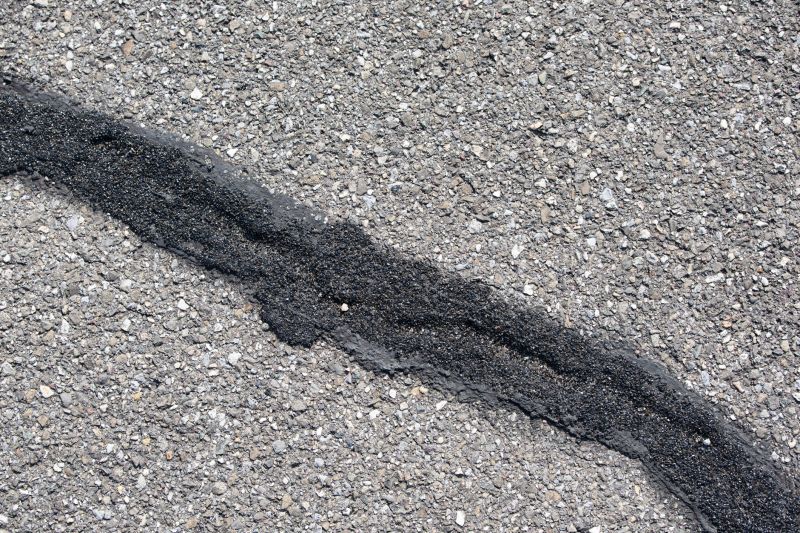
Popular materials for Asphalt Sealings and why they hold up over time.
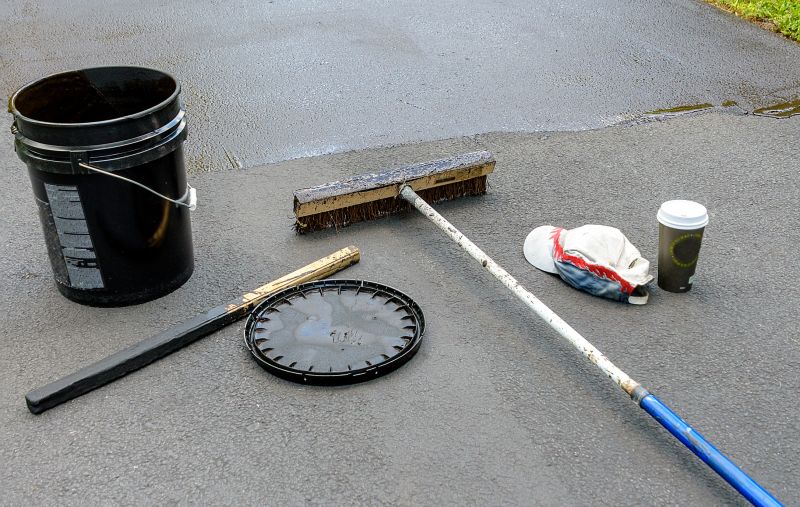
Simple add-ons that improve Asphalt Sealings without blowing the budget.
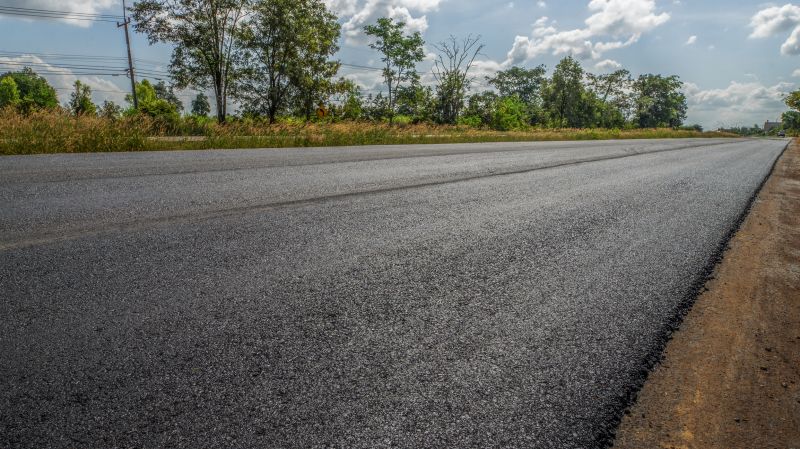
High-end options that actually feel worth it for Asphalt Sealings.
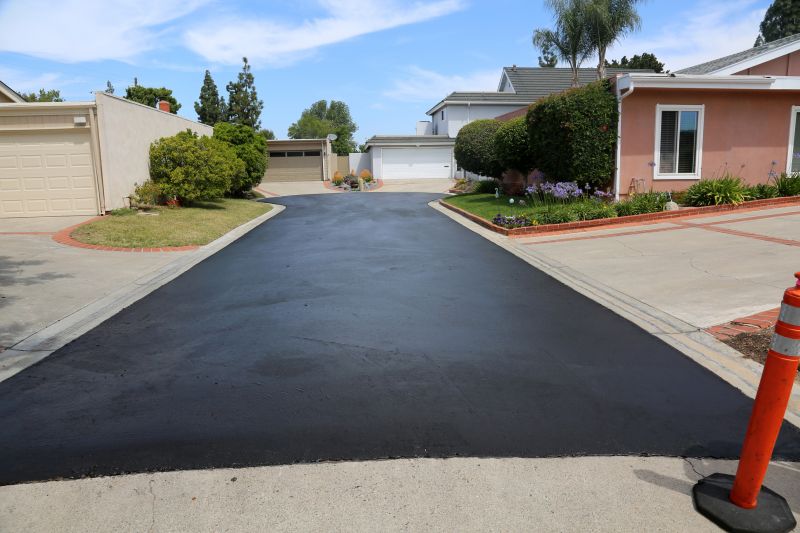
Finishes and colors that play nicely with Asphalt Sealings.
Proper timing for asphalt sealing is crucial to maximize durability and effectiveness. Sealants adhere best when temperatures are consistently between 50 and 85 degrees Fahrenheit, with low humidity and minimal rainfall. Sealing during optimal weather conditions helps prevent issues such as bubbling, peeling, or uneven curing. Typically, late spring through early fall is considered the best period, depending on local climate conditions.
Sealing during cold weather can prevent proper adhesion and curing, leading to premature failure.
Warm, dry days with low humidity and no rain are optimal for asphalt sealing.
Rain, frost, or excessive heat can compromise the sealant's effectiveness and longevity.
Late spring and early fall typically provide the best conditions in Temecula, CA.
| Season | Optimal Temperature Range |
|---|---|
| Spring | 50°F - 85°F |
| Summer | 70°F - 85°F |
| Fall | 50°F - 75°F |
| Winter | Not recommended in freezing conditions |
Asphalt sealings serve as an effective protective layer against weathering, oil spills, and UV damage. Properly sealed asphalt can extend the lifespan of pavements by preventing water infiltration and reducing surface deterioration. Regular sealing, ideally every 2 to 3 years, maintains the surface's integrity and appearance. The process involves cleaning the surface thoroughly, applying the sealant evenly, and allowing adequate curing time under suitable weather conditions.
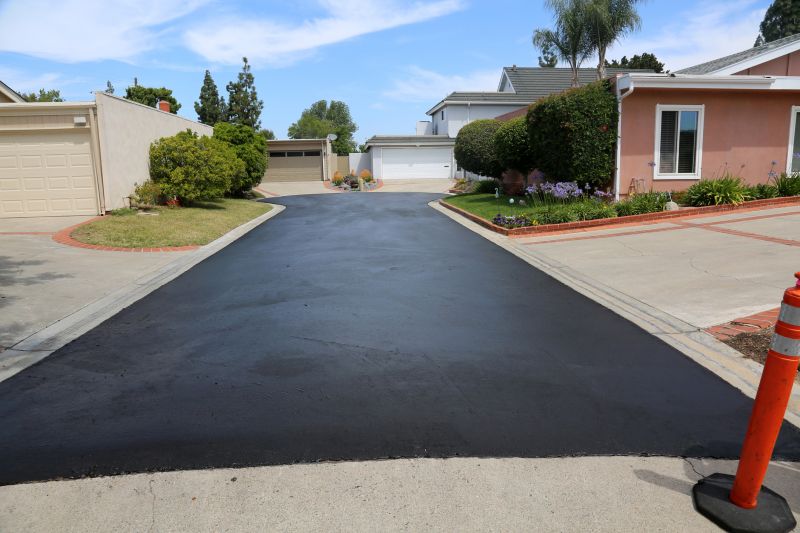
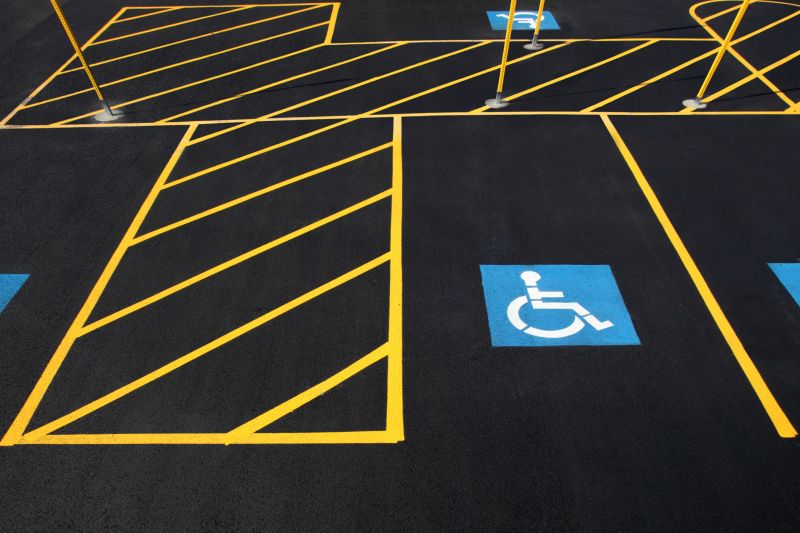
A freshly sealed asphalt driveway with a smooth, uniform finish.
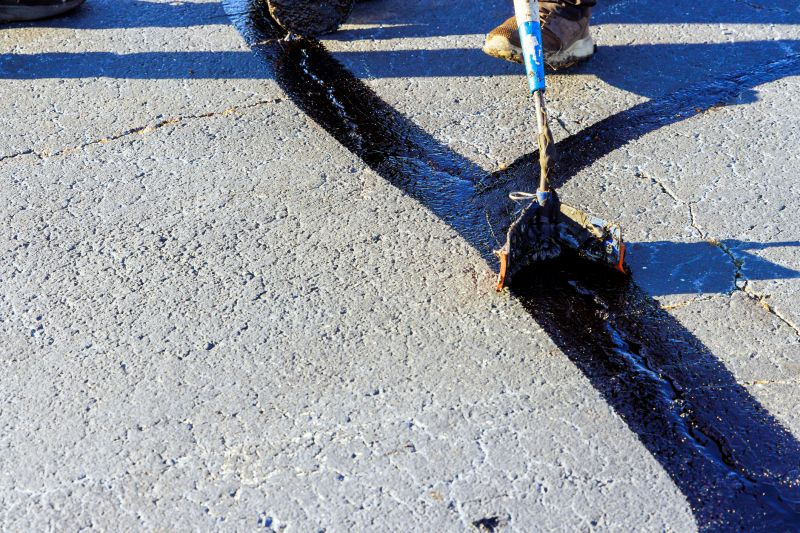
Equipment applying sealant evenly across an asphalt surface.
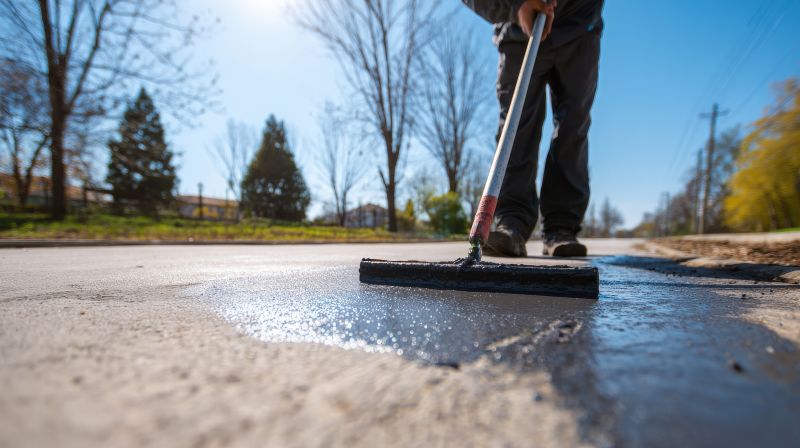
Sunny, dry weather facilitating optimal curing of sealant.
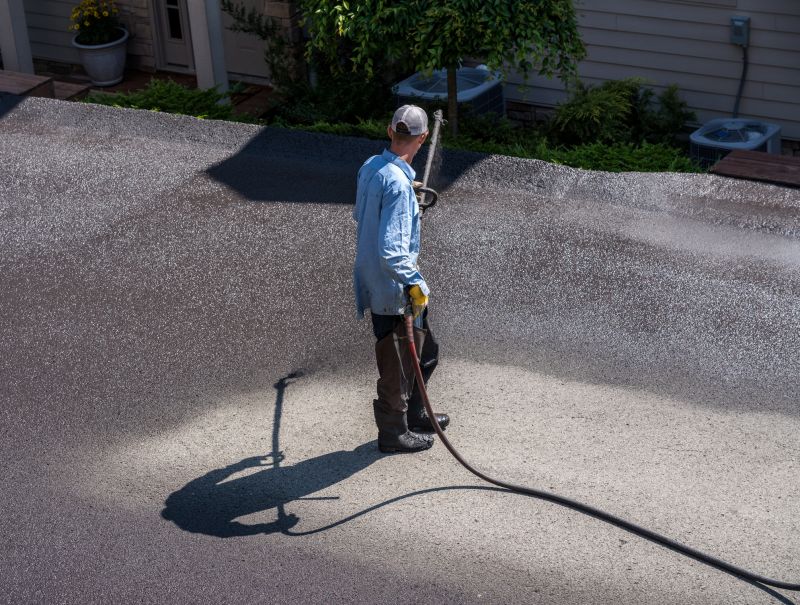
Comparison showing the protective effect of sealing asphalt surfaces.
Little measurements that prevent headaches on Asphalt Sealings day.
A 60-second routine that keeps Asphalt Sealings looking new.
A frequent mistake in Asphalt Sealings and how to dodge it.
Small tweaks to make Asphalt Sealings safer and easier to use.
Choosing the right time for asphalt sealing involves monitoring weather forecasts and seasonal patterns. In Temecula, CA, late spring through early fall typically provides the most consistent conditions for application. Avoiding sealing during periods of high humidity, rain, or extreme temperatures ensures the best results and longer-lasting protection.

A well-maintained driveway with a glossy, sealed surface.
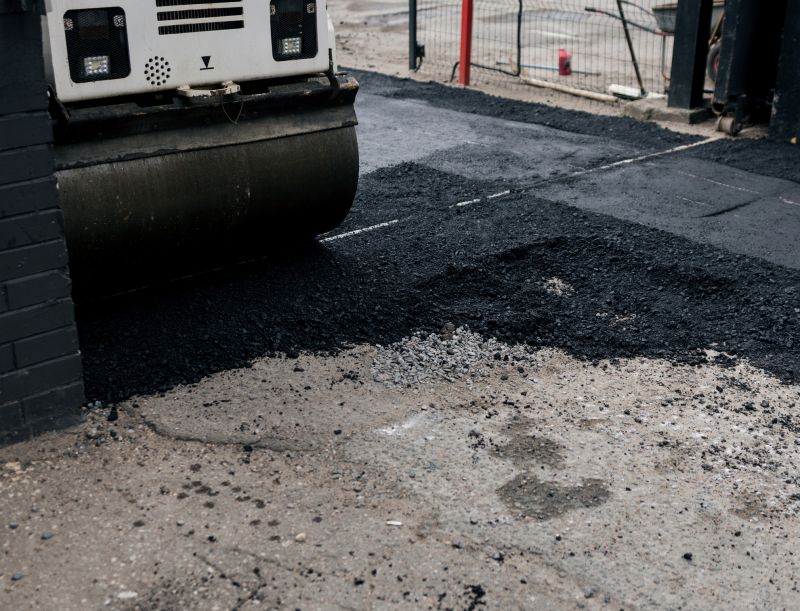
Sprayers and rollers used in the asphalt sealing process.
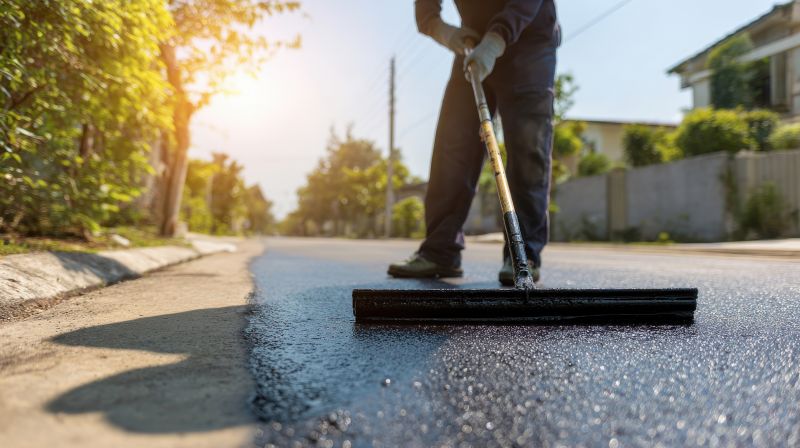
Clear sky and moderate temperature ideal for sealing.
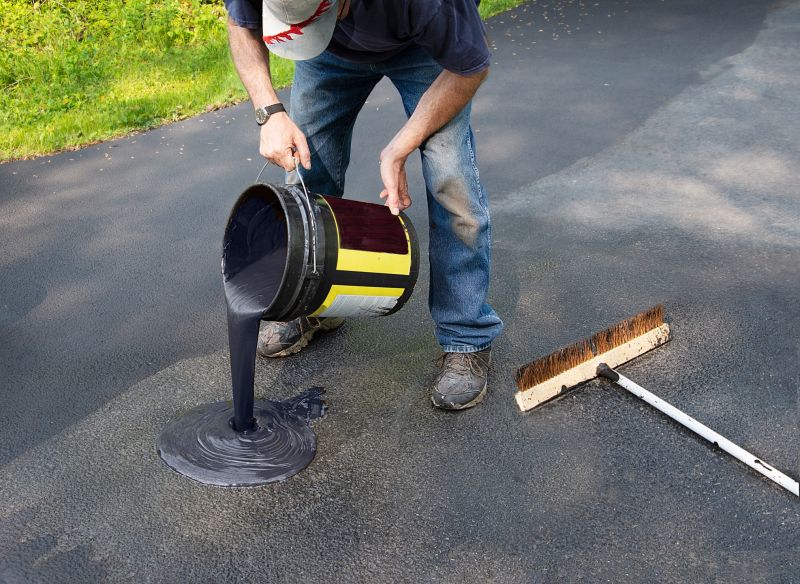
Lower-waste or water-saving choices for Asphalt Sealings.
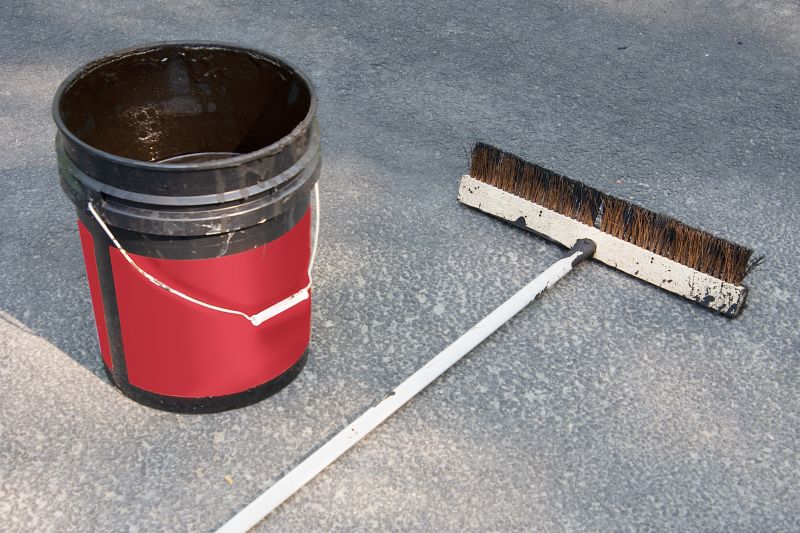
The short, realistic tool list for quality Asphalt Sealings.
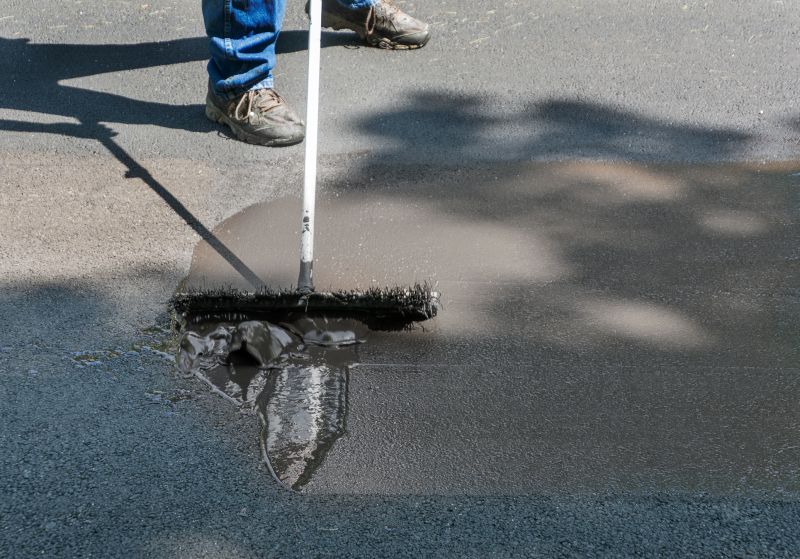
Rough timing from prep to clean-up for Asphalt Sealings.
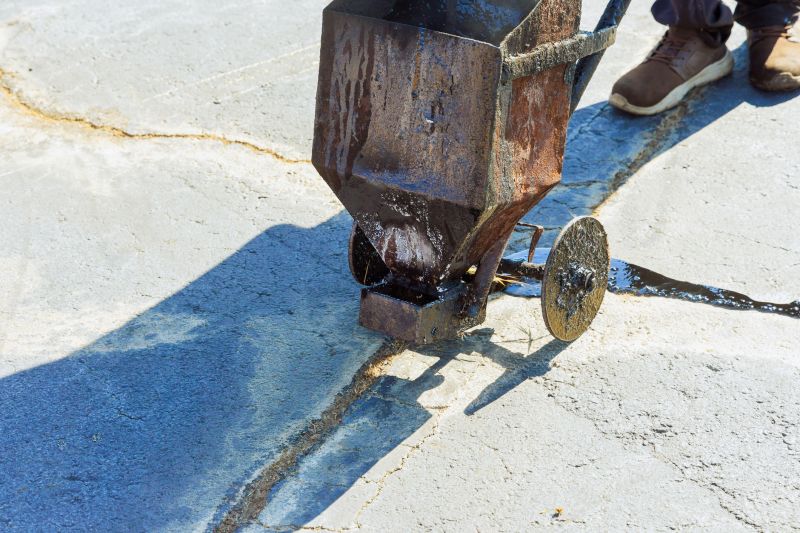
Quick checks and paperwork to keep after Asphalt Sealings.
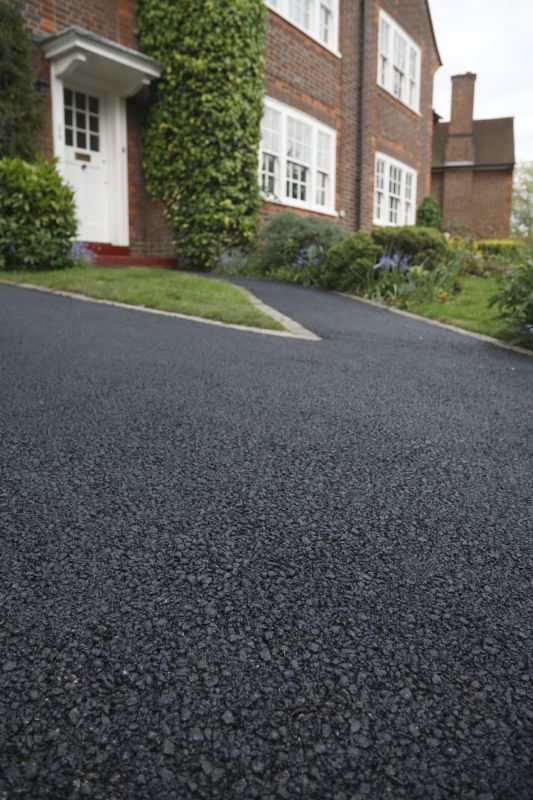
Examples that show the impact a good Asphalt Sealings can make.
Interested in protecting asphalt surfaces with professional sealing services? Filling out the contact form can provide more information and help schedule a sealing project during the optimal season in Temecula, CA.